
Our business is built on tangible assets: timber and harvests
We plant trees, cultivate industrial-grade timber, and share the profits with our partners
We plant trees, cultivate industrial-grade timber, and share the profits with our partners
To build a major international woodworking enterprise and secure industry leadership, fostering shared prosperity for the planet, our communities, and every individual family
Our Mission
Expanding
Paulownia plantations
Paulownia plantations
Cultivating fast-growing trees and crops to drive profit from timber and agricultural sales for our company and partners
5 Facts About Paulownia
Industrial Paulownia plantations reduce the pressure on natural forests by shifting timber demand toward sustainable, renewable plantation-grown wood
4. Forest Conservation
A record-holder in CO₂ absorption, Paulownia actively captures carbon dioxide and improves air quality, acting as a high-performance natural climate filter
3. Carbon Sequestration Champion
Paulownia produces straight, knot-free timber. Remarkably lightweight yet durable, it is highly sought after in premium sectors, including construction, furniture, and interior finishing
5. Premium Grade Timber
Paulownia doesn't die after harvesting. It literally regrows from the same stump, repeating this cycle up to 10 times without the need for replanting
2. The Phoenix Tree
In just 7 years, Paulownia reaches a height of 20 meters—a milestone that takes species like pine or oak 50 to 80 years to achieve
1. The World’s Fastest-Growing Tree
FastForest: High-Yield Timber Opportunities
The global timber market is currently valued at $1 trillion. By 2030, it is projected to reach
$1.88 trillion—a staggering 88% growth
As one of the world's most dynamic sectors, the timber market is evolving. In the coming years, Paulownia is set to capture a significant market share in segments traditionally dominated by pine, spruce, oak, and other conventional species
$1.88 trillion—a staggering 88% growth
As one of the world's most dynamic sectors, the timber market is evolving. In the coming years, Paulownia is set to capture a significant market share in segments traditionally dominated by pine, spruce, oak, and other conventional species
This shift is driven by a surging global demand for sustainable, renewable, and eco-friendly materials
2025
$1T
Forecast
$1,88T
2030
88%
Growth
High Moisture Resistance
Paulownia wood does not absorb moisture, nor does it warp or crack after drying
Rich in natural extracts that protect the wood from fungi, insects, and termites
Resistance to Rot and Pests
With an ignition point of approximately 400°C, Paulownia demonstrates greater fire resistance for structural
Enhanced Fire Resistance
Low thermal conductivity
Superior Insulation
Low Wood Density
Timber is 45% lighter than pine
Paulownia Characteristics
Paulownia Products & Applications
Aviation & Automotive
Components (Niche)
Components (Niche)
Pellets
& Biomaterials
& Biomaterials
Export Packaging,
Crates & Pallets
Crates & Pallets
Yachting
& Shipbuilding
& Shipbuilding
Eco-Homes & Modular Construction
Eco-Design
& Interior Decor
& Interior Decor
Musical
Instruments
Instruments
Sports
Equipment
Equipment
Surfboards, Snowboards
& SUP Boards
& SUP Boards
Construction
Materials
Materials
Furniture
PAULOWNIA PRODUCTS & APPLICATIONS
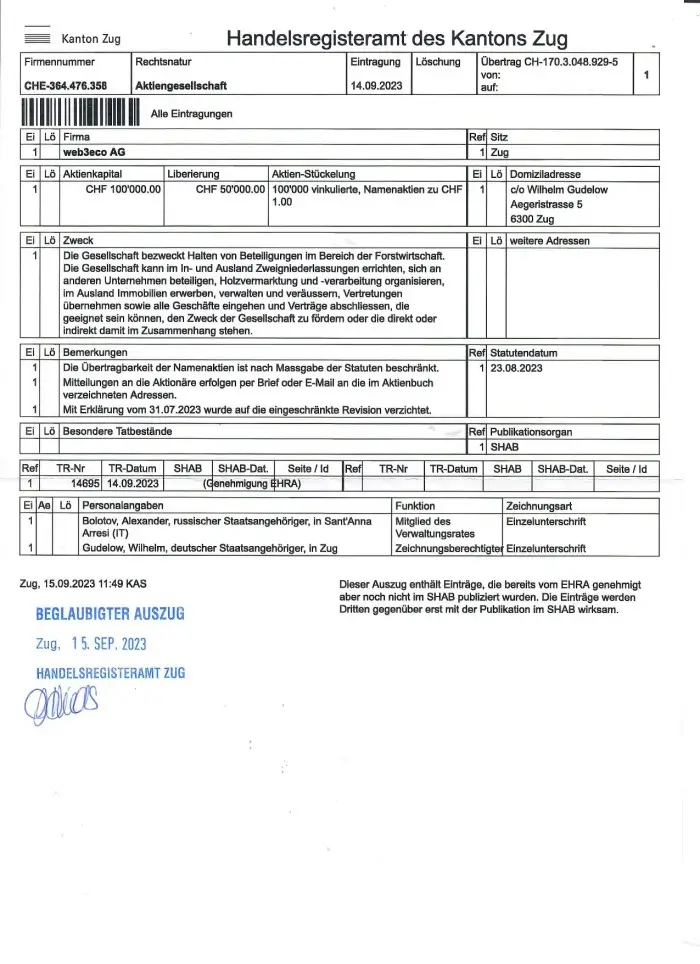
Our parent company is registered in Switzerland, ensuring that our products can be freely traded across EU markets without any sanctions or regulatory restrictions.
FastForest provides direct access to the Paulownia timber market, leveraging an international business model optimized for European pricing
Paulownia’s Position
in the Timber Market
in the Timber Market

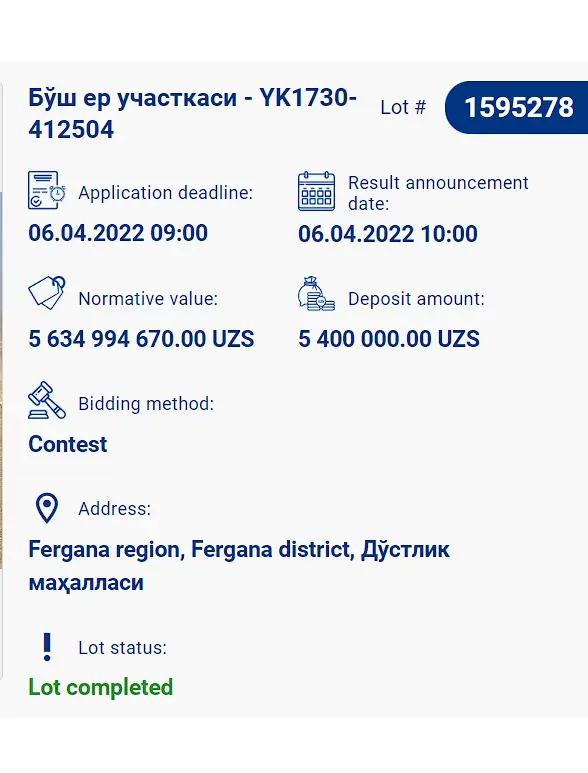
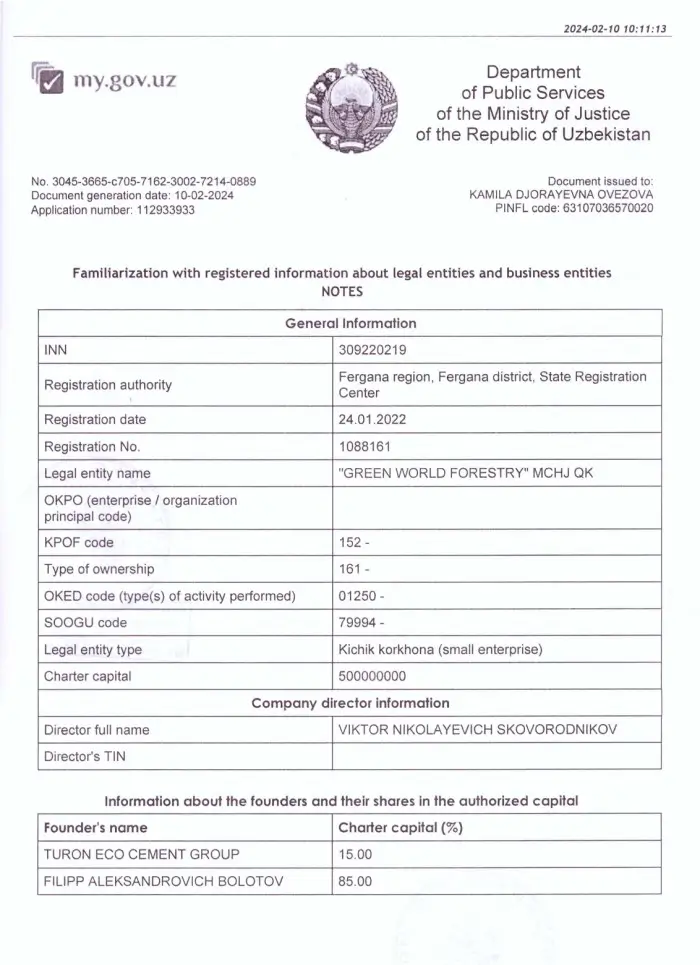
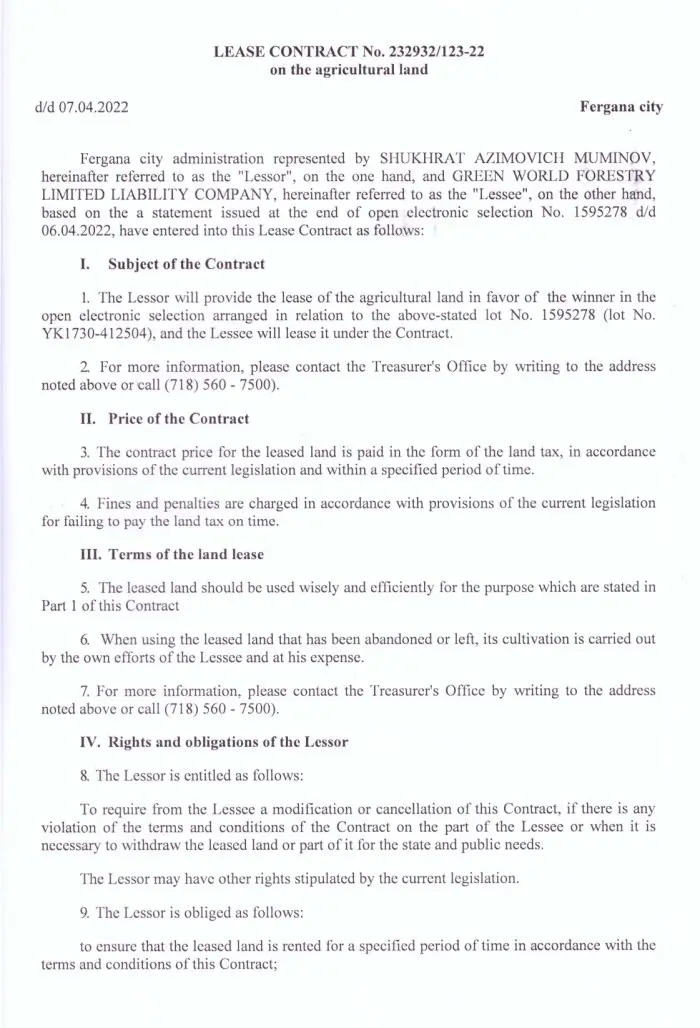
Official Documents
OUR TEAM
FAQ
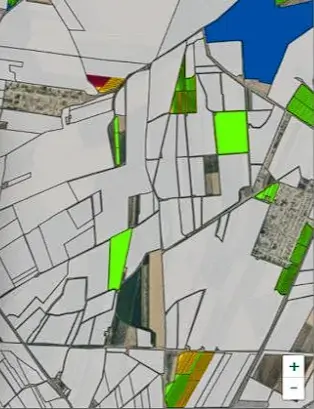
Official Registration in the State Land Registry
Ownership of the land plots has been legally established and registered in the State Land Registry of the Republic of Uzbekistan. This means that ownership information is recorded in official government registers and has legal validity.
Documentary Evidence
The company possesses a complete set of documents, including cadastral extracts and registration certificates.
Scanned copies of key documents are available above on this page for preliminary review.
Ownership of the land plots has been legally established and registered in the State Land Registry of the Republic of Uzbekistan. This means that ownership information is recorded in official government registers and has legal validity.
Documentary Evidence
The company possesses a complete set of documents, including cadastral extracts and registration certificates.
Scanned copies of key documents are available above on this page for preliminary review.
Paulownia is a unique tree not only because of its rapid growth rate. It grows up to 10 times faster than most well-known tree species, reaching commercial maturity in approximately 7 years instead of the 60–70 years required by traditional timber species. It also has an exceptional ability to capture and store carbon dioxide.
Thanks to its enormous leaves, intensive photosynthesis, and powerful root system, it absorbs up to 10 times more CO₂ than conventional tree species of a similar size.
For most trees, the lifecycle eventually ends with the stored carbon being released back into the atmosphere over time.
With Paulownia, the process is different.
When the tree is harvested, its root system remains alive, allowing it to regrow from the same root without replanting, up to 10 times, while continuing to actively absorb CO₂.
As a result, a Paulownia plantation becomes a long-term carbon sink that can operate for decades, helping to clean the air while creating measurable environmental and financial benefits.
Thanks to its enormous leaves, intensive photosynthesis, and powerful root system, it absorbs up to 10 times more CO₂ than conventional tree species of a similar size.
For most trees, the lifecycle eventually ends with the stored carbon being released back into the atmosphere over time.
With Paulownia, the process is different.
When the tree is harvested, its root system remains alive, allowing it to regrow from the same root without replanting, up to 10 times, while continuing to actively absorb CO₂.
As a result, a Paulownia plantation becomes a long-term carbon sink that can operate for decades, helping to clean the air while creating measurable environmental and financial benefits.
In Uzbekistan, harvesting, timber preparation for sale, transportation, and payment collection are managed by GREEN WORLD FORESTRY. Once the timber is sold, partners receive their share of the revenue after deducting the company's expenses and commissions.